Roadmap · Deploy. Deliver. Refuel.
Three phases, each with its status.
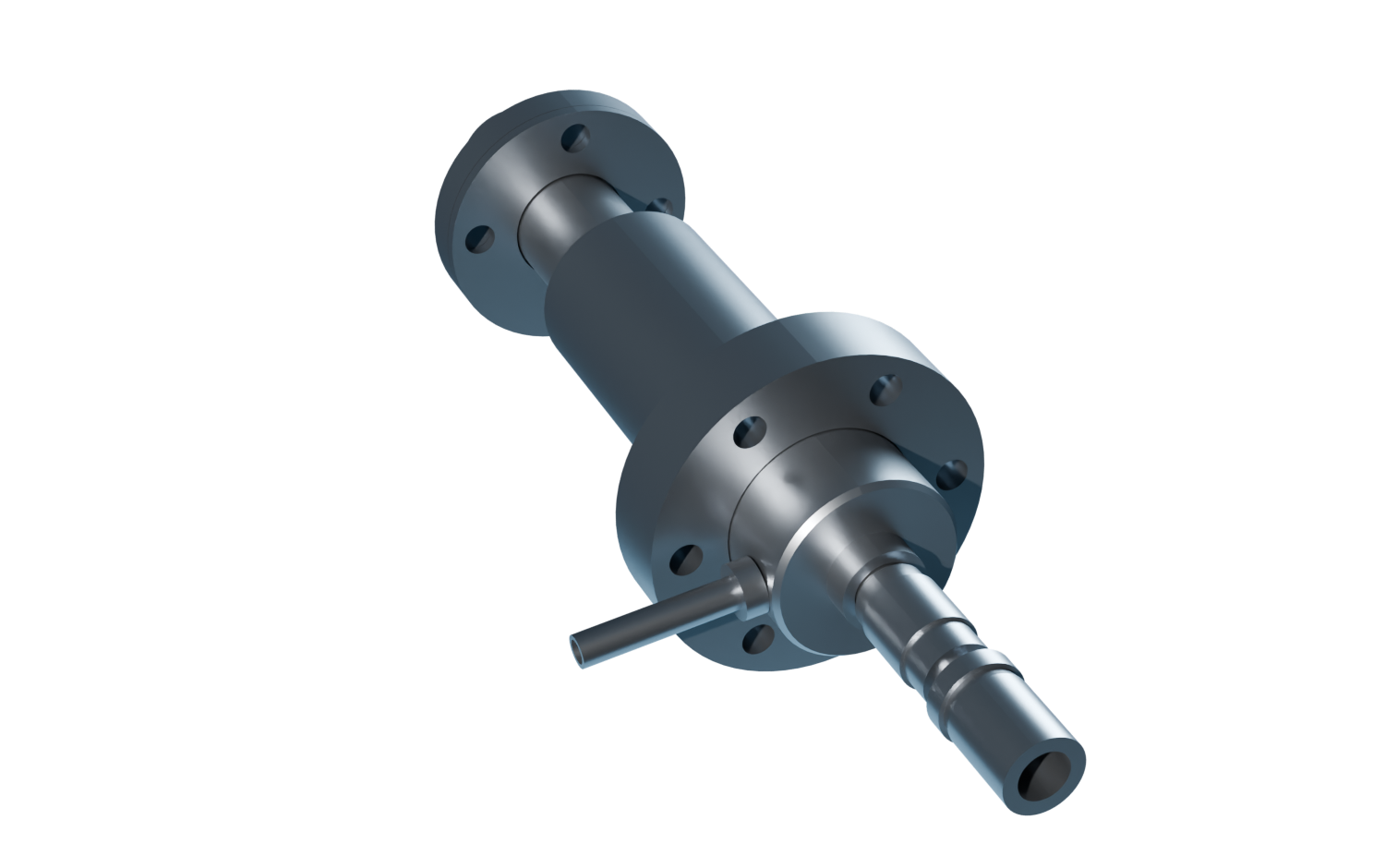
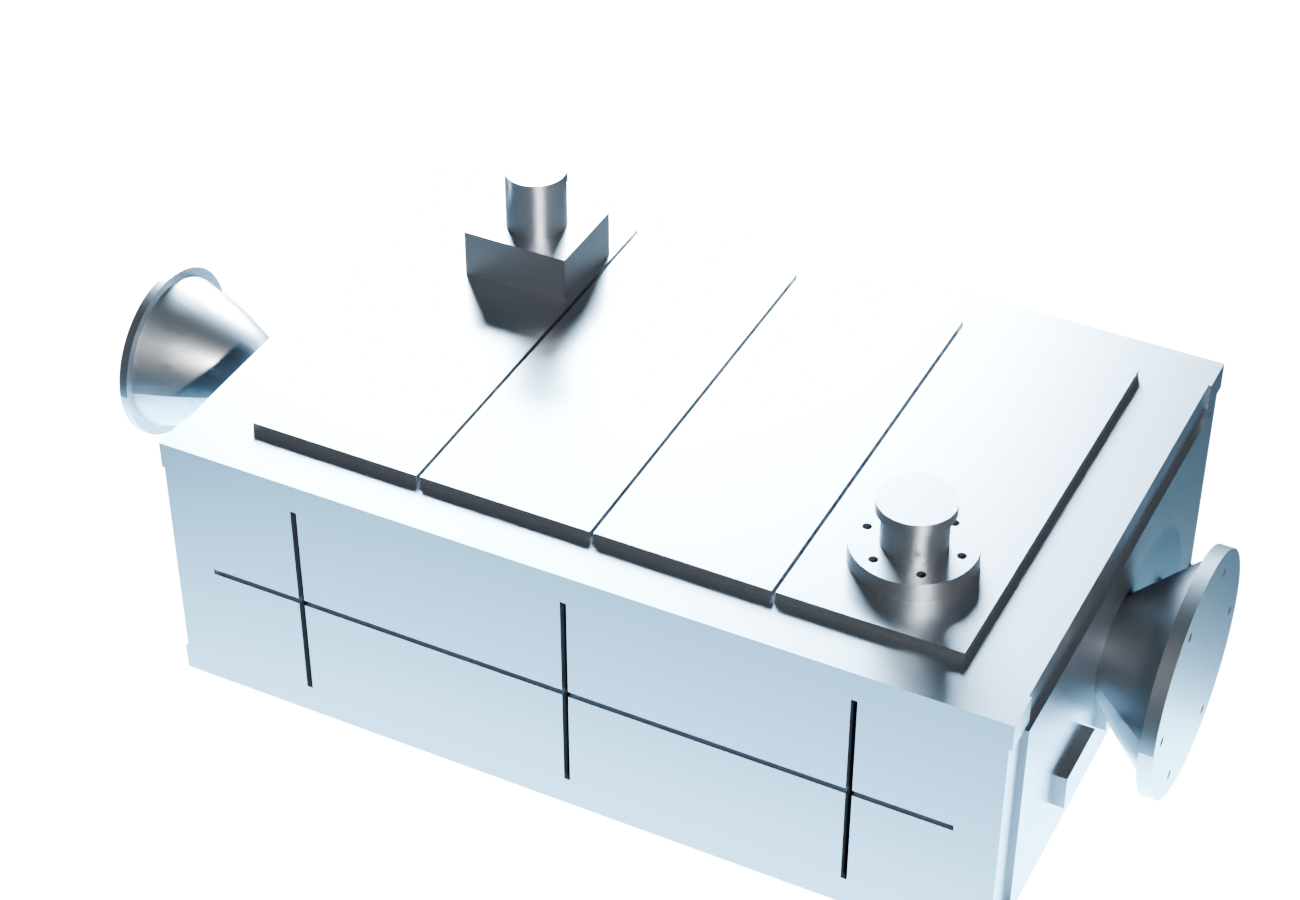
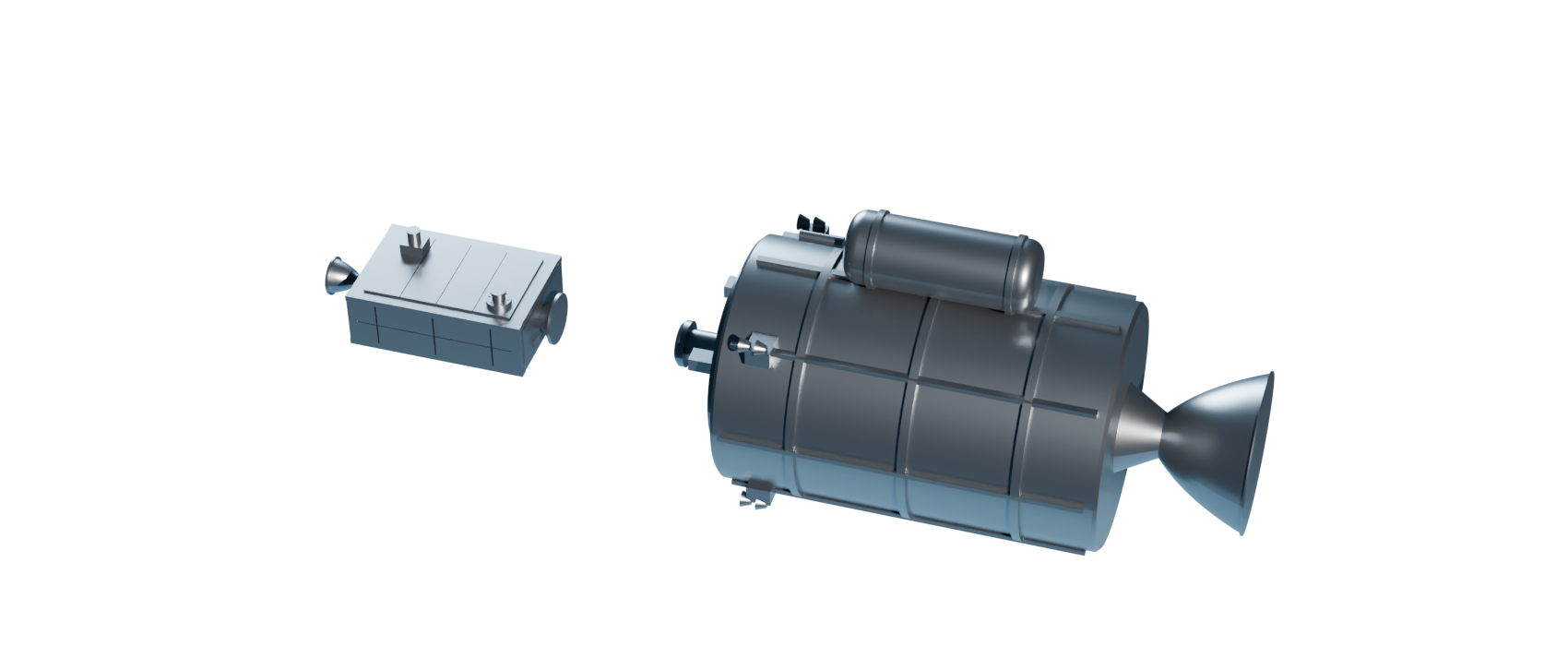
Phase 1 comes from the delivered CAD. Phases 2 and 3 are concept models that show the direction, not a product.
Phase 1 · Propulsion
Phase 2 · Bus
Phase 3 · Kick stage
How to read this page
A CAD tag means the render comes from a model delivered by the team. A concept tag means the model is ours, built to declared proportions to show architecture, not performance. Concept renders never carry specs.
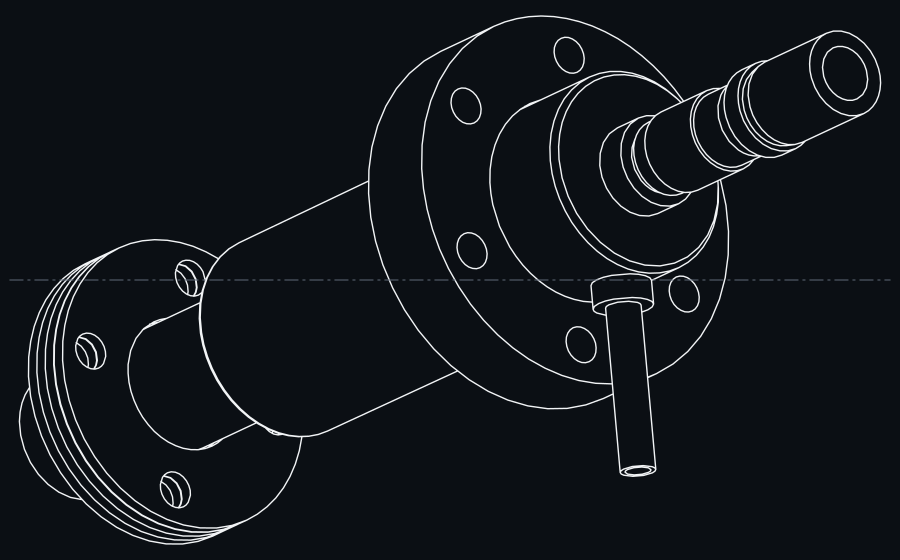
Phase 1 · On the bench
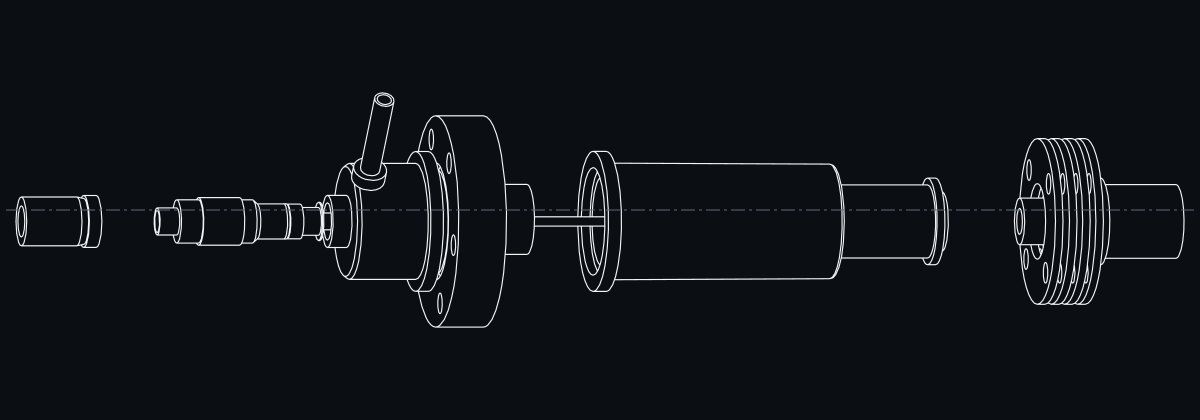
The thruster, from the model
The idea
Satellites that never run out of propellant
Phase 1
Deploy
A kick stage carries a batch of buses from the rideshare drop-off to their working orbits.
Phase 2
Deliver
Each bus flies its mission on water propulsion: station-keeping, transfers, end-of-life disposal.
Phase 3
Refuel
When a bus runs low, the kick stage comes back, docks and refills the tank. The mission continues.
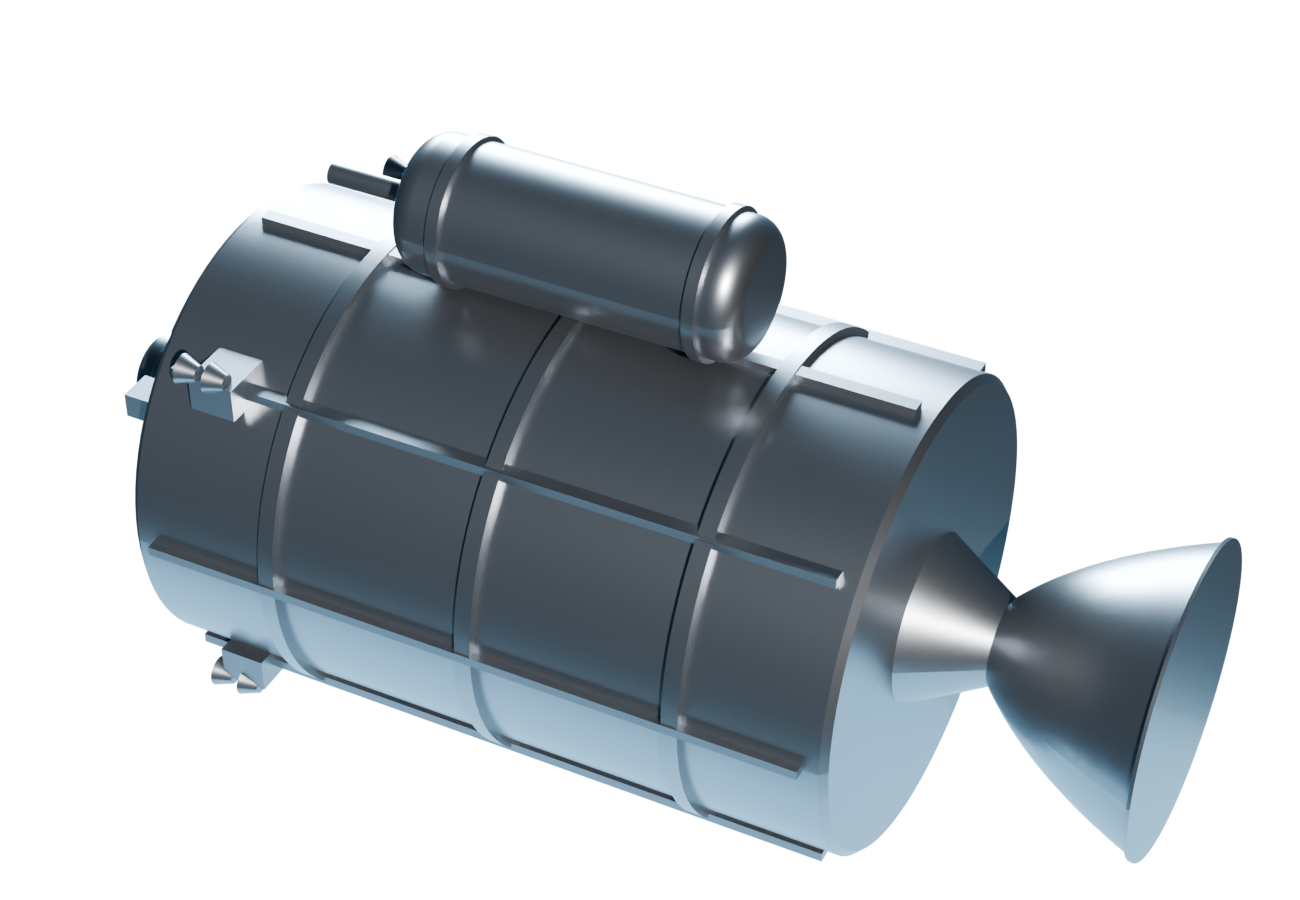
Concept model · Cycles · orbit light
Why water
A propellant you can top up
Water is non-toxic, storable at low pressure and cheap to handle on the ground and in orbit. It makes refuelling a plumbing problem instead of a hazmat problem, and it lets one kick stage serve many buses on one tank.
The trade-off is specific impulse: water resistojets deliver less Δv per kilogram than chemical thrusters. Refuelling is how that trade-off is paid back.